

Bharath Green Hydrogen is actively engaged in research and development related to the generation, storage, and use of hydrogen
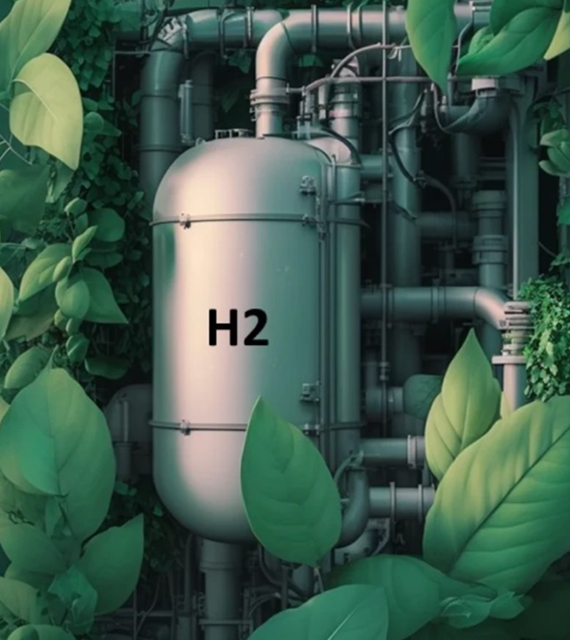
This entails creating innovative, more effective and affordable methods for producing hydrogen as well as cutting-edge storage technologies that can facilitate the efficient integration of hydrogen into the energy system.
The proposal also calls for the creation of composite testing to guarantee the longevity and safety of hydrogen storage tanks and other components.
Hydrogen Production
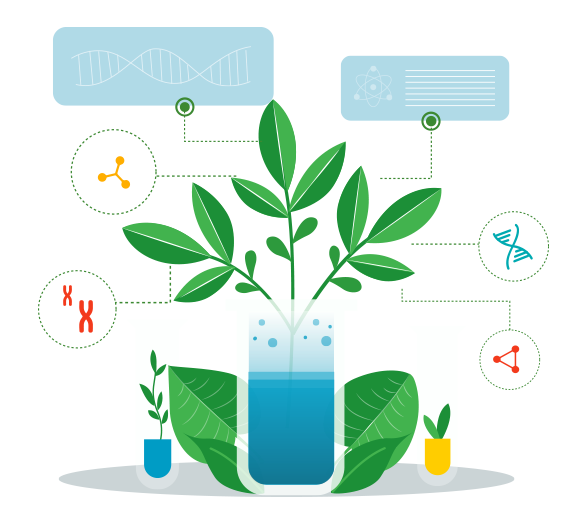
Green hydrogen will be produced by utilising the existing catalyst materials which are having exceptional potential candidature for exploiting renewable energy sources like solar energy.
Additionally, efforts will be made to develop a new class of materials to showcase the novel technological platform.
The overall objectives are
-
 Design suitable non-noble metal (earth-abundant transition metal) catalyst materials catalysing the hydrogen evolution reaction (HER) and oxygen evolution reaction (OER) exclusively
-
Synthesis of transition metal-based catalysts includes oxides, oxy/hydroxides, nitrides, phosphides, chalcogenides, etc
-
Fabrication of water-splitting electrolysers with various electrolysis solutions such as alkaline water, seawater, and wastewater.
-
Achieving maximum efficiency by modifying the catalysts or working methodology
-
Prevention of the catalyst degradation encountered in conventional electrolysers and subsequently improve its durability
-
Improving the efficiency of the electrolyser by engineering architecture, electrode material, and electrolyte solution of the device

Hydrogen Storage
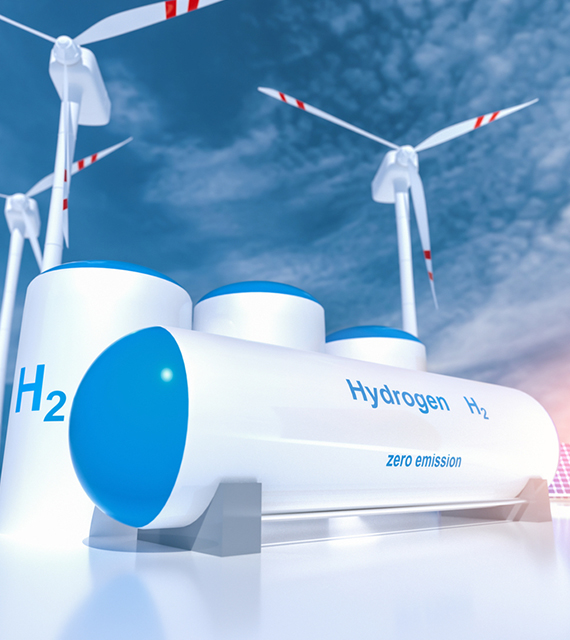
This research aims to address the potential for further research associated with employing porous metal-organic frameworks as hydrogen storage materials. This research also encourages the continued R&D of hydrogen storage materials in order to create a hydrogen economy by offering a broad viewpoint, incisive ideas, and recommendations for hydrogen storage using metal-organic frameworks. With regard to their compositions of inorganic secondary building unit (SBU), organic linkers, and guest species, MOFs, a recent development in the field of H₂ storage materials, can be engineered in terms of pore dimension and shape as well as pore surface environment via reticular chemistry. These modifications progress with the aim of modifying and improving the H₂ adsorption performance.
The solutions for boosting the H₂ working capacities, balancing the gravimetric and volumetric capacities, and improving the H₂ -framework interaction and ambient-temperature H₂ storage performance have been covered in the part that follows. Therefore, this proposal aims to develop methods for raising the H₂-interaction of the framework and H₂ storage at room temperature performance, achieving a balance between the gravimetric and volumetric capacities, and enhancing the working capacities of H₂. Considering such factors, this process could be made possible by bringing into effect the following two criteria:

Enhancing the H₂-framework interactions and performance of H₂ storage at ambient temperature
Improving gravimetric/volumetric capacity and their balance
Hydrogen Transportation
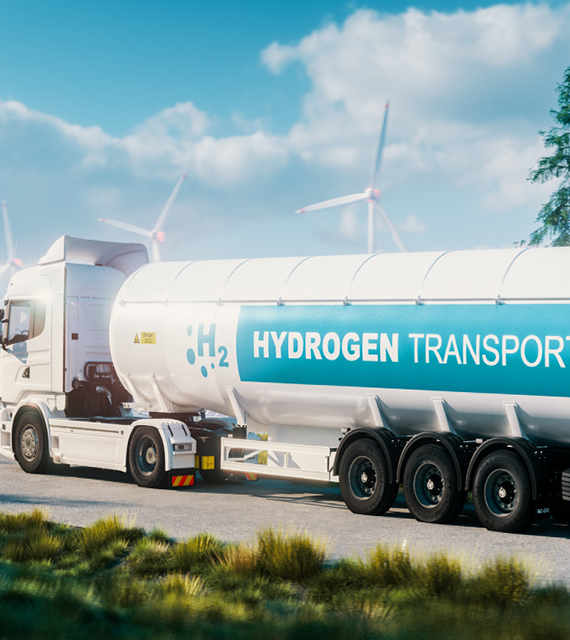
As the world propels towards a sustainable future, our commitment to pioneering research in green hydrogen transportation sets the stage for a transformative era in the way we move. At Bharath Green Hydrogen, we stand at the forefront of cutting-edge research, driving innovation to redefine the landscape of sustainable mobility.
The Power of Green Hydrogen:
Green hydrogen, produced through renewable energy sources, has emerged as a game-changer in the transportation sector. Our research focuses on harnessing the potential of green hydrogen as a clean and efficient fuel for automobiles, buses, trains, and maritime vessels. By leveraging renewable energy in the production of hydrogen, we aim to revolutionize the transportation industry and mitigate the environmental impact of conventional fuels.
Research Initiatives:
-
Hydrogen Storage Solutions: Our research explores innovative hydrogen storage technologies to address the challenges of storing and transporting green hydrogen safely, efficiently, and at scale.
-
Fuel Cell Integration: We investigate the integration of fuel cells into various modes of transportation, optimizing performance, and exploring applications for both short and long-haul journeys.
Collaboration for Impact
Recognizing the complexity and scale of the challenges ahead, our research endeavors thrive on collaboration. We actively engage with industry leaders, government agencies, and research institutions to pool expertise and resources. Together, we aim to accelerate the development and deployment of green hydrogen transportation solutions, fostering a collaborative ecosystem that drives meaningful impact.
Enhancing the H₂-framework interactions and performance of H₂ storage at ambient temperature
Improving gravimetric/volumetric capacity and their balance